Visit

Panathenaic Stadium

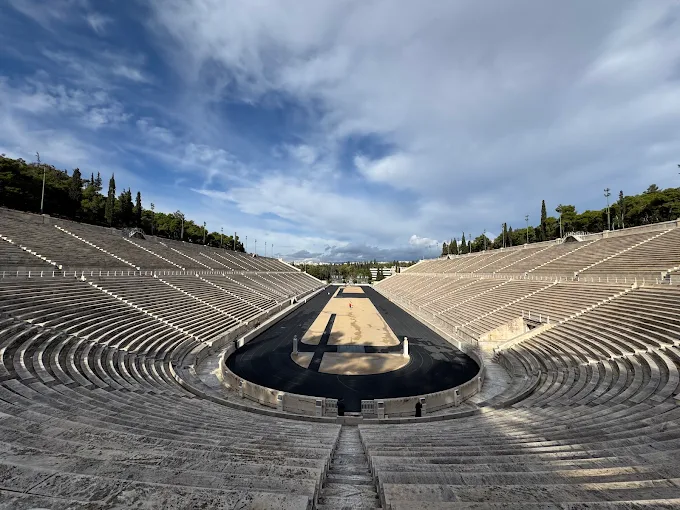
The Panathenaic Stadium in Athens, Greece, is a historic stadium built entirely of white Pentelic marble. Originally constructed in 330 BC for the Panathenaic Games, it was later refurbished by the Romans in 144 AD. The stadium is best known for hosting the first modern Olympic Games in 1896. It remains one of the world’s oldest stadiums still in use and is the only one made entirely of marble. Today, it serves as a cultural and sporting venue, as well as the finishing point for the annual Athens Marathon.

Acropolis of Athens

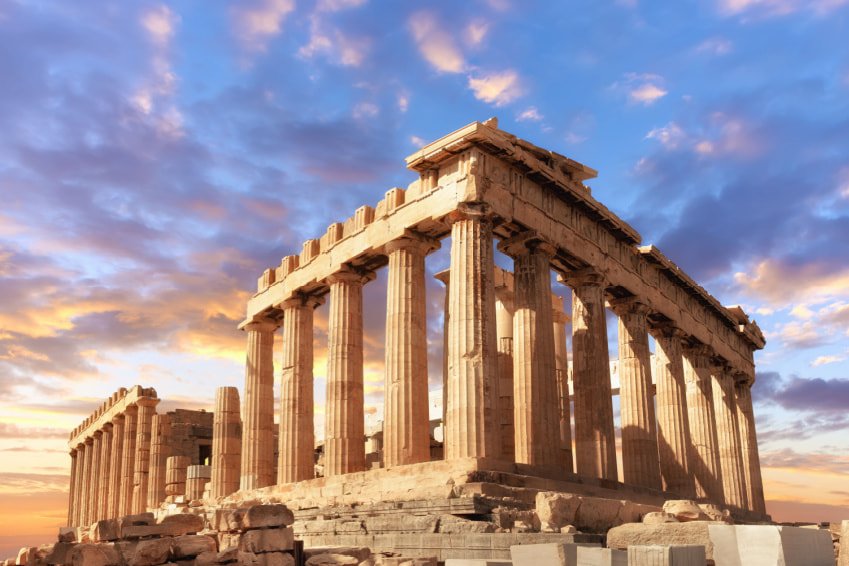
The Acropolis is the most iconic ancient site in Athens, Greece, standing on a rocky hill above the city. It is home to the Parthenon, a temple dedicated to Athena, the city’s patron goddess. Built in the 5th century BC, the Acropolis also includes other significant structures like the Erechtheion, Propylaea, and Temple of Athena Nike. It is a UNESCO World Heritage Site and a symbol of ancient Greek civilization.

Monastiraki Square

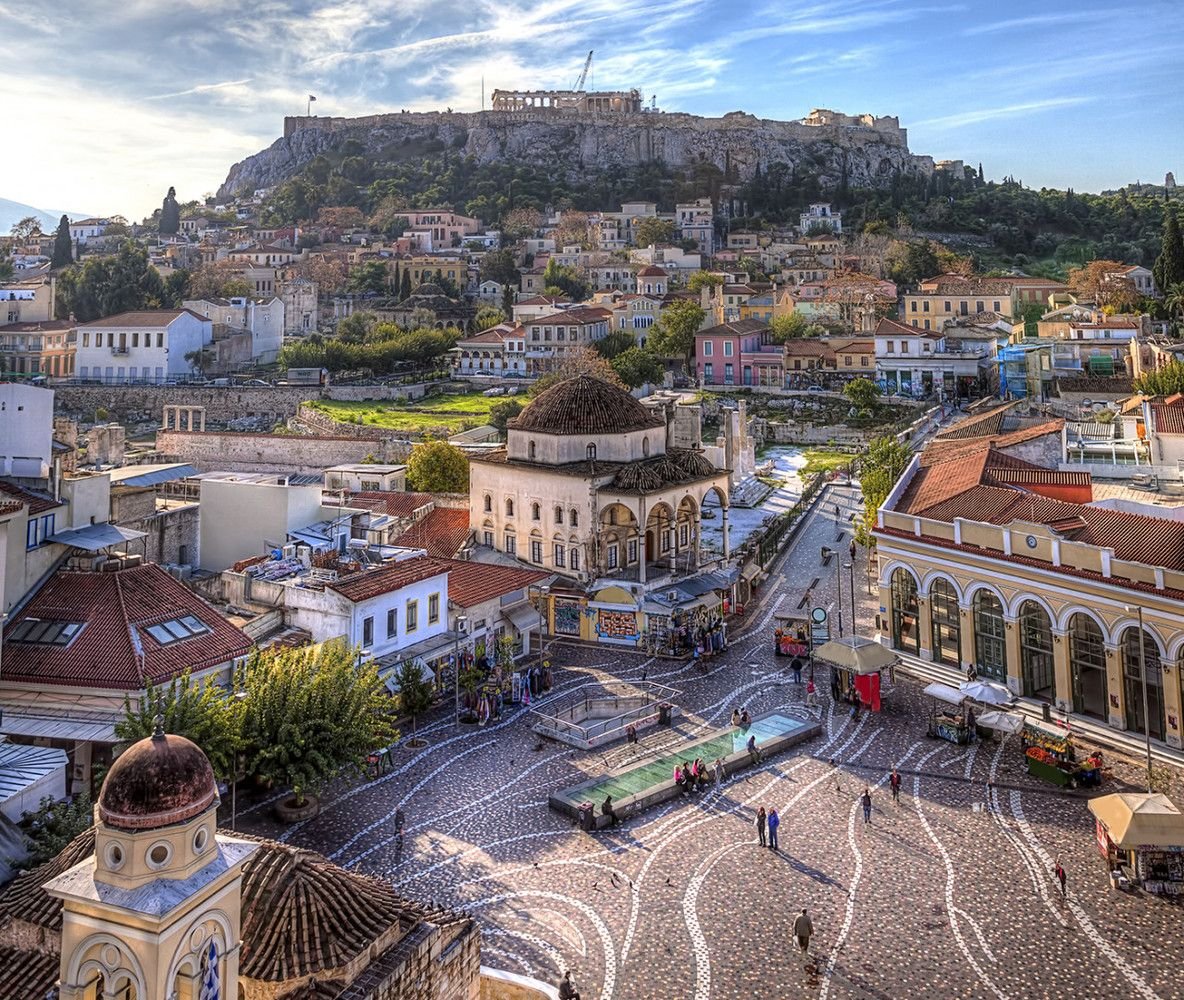
Monastiraki Square is a bustling hub in the heart of Athens, known for its lively atmosphere, street markets, and historical landmarks. It is surrounded by the Monastiraki Flea Market, where visitors can shop for antiques, souvenirs, and local crafts. The area is rich in history, featuring landmarks like the Tzistarakis Mosque and the Church of the Pantanassa. It is also a gateway to both ancient and modern Athens, with views of the Acropolis.

Plaka

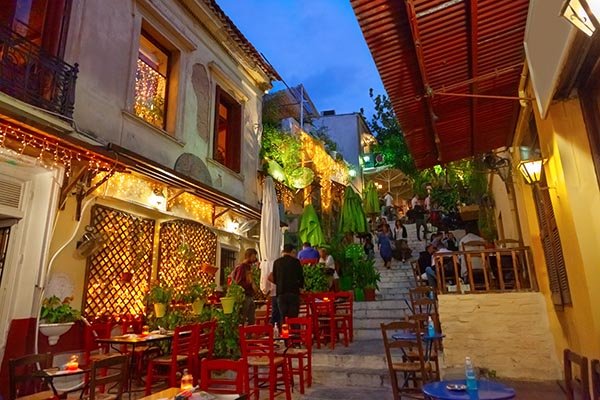
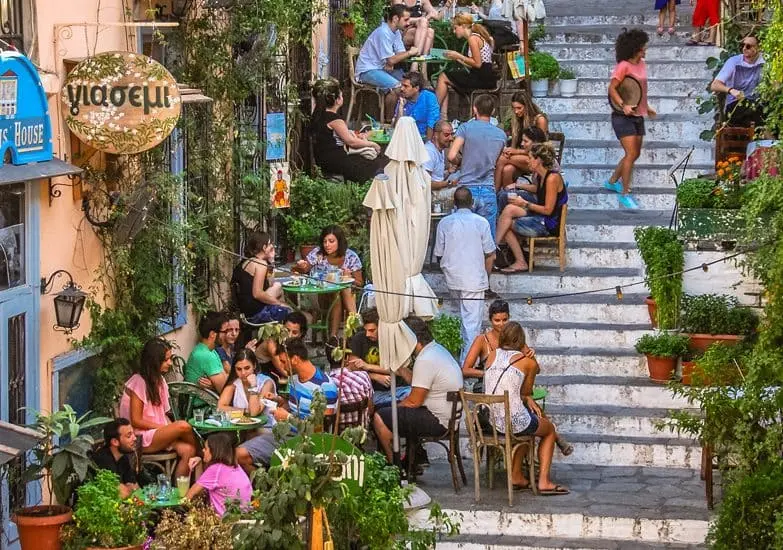
Plaka is one of the oldest and most charming neighborhoods in Athens, located at the foot of the Acropolis. Known as the “Neighborhood of the Gods,” its narrow streets, neoclassical houses, and traditional tavernas create a picturesque setting. Visitors can explore Anafiotika, a scenic area with whitewashed houses resembling the Cycladic islands, as well as small museums and historical sites. Plaka is perfect for strolling, dining, and experiencing the local culture.

Odeon of Herodes Atticus

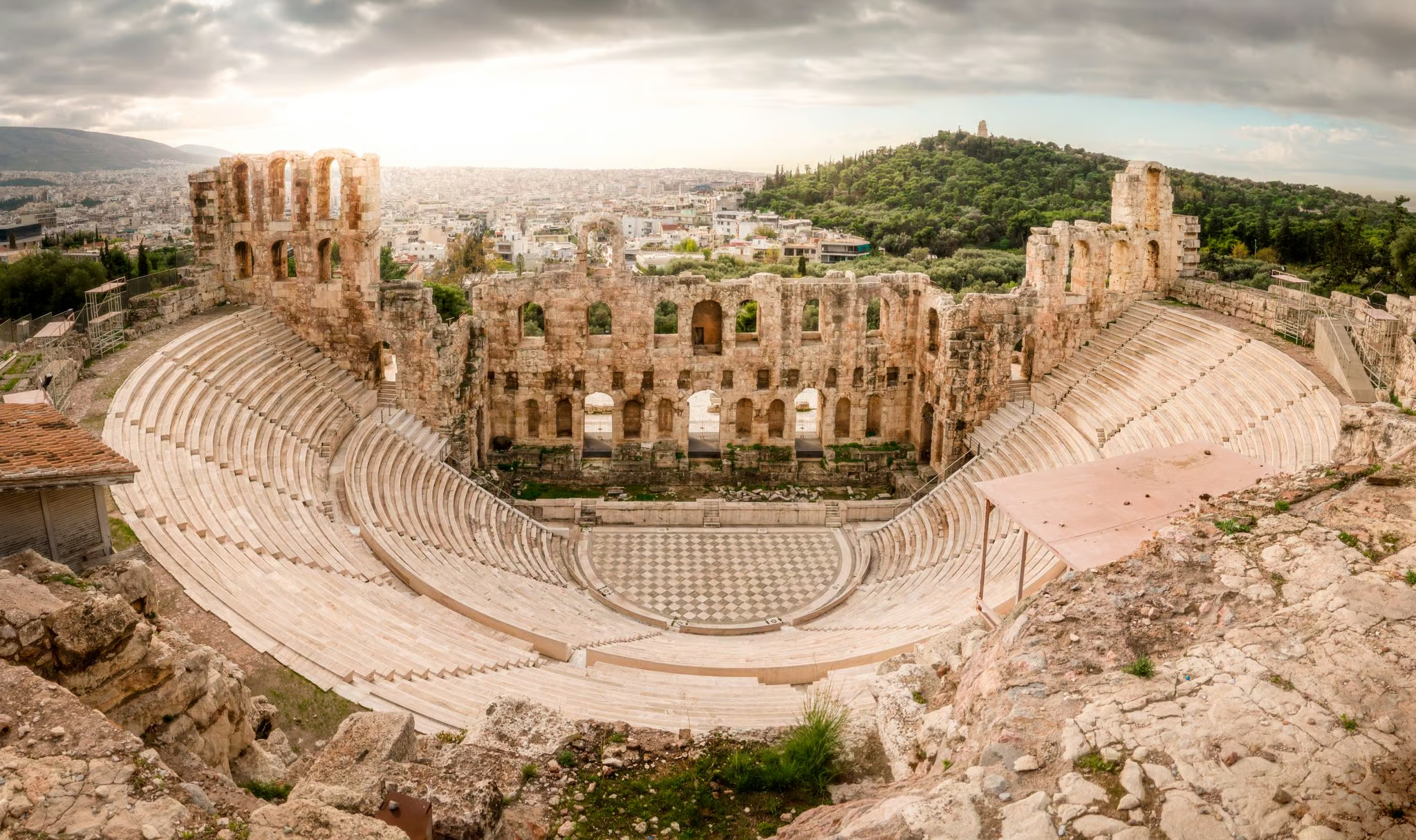
The Odeon of Herodes Atticus is a majestic ancient theater located on the southwest slope of the Acropolis in Athens, Greece. Built in 161 AD by Herodes Atticus, a wealthy Roman benefactor, in memory of his wife Aspasia Annia Regilla, the theater originally had a wooden roof and could hold around 5,000 spectators. Today, it remains one of the best-preserved ancient theaters and is still used for performances, particularly during the Athens and Epidaurus Festival. With its impressive marble seating and exceptional acoustics, it is a prime venue for concerts, operas, and theatrical performances under the stars.

Acropolis Museum

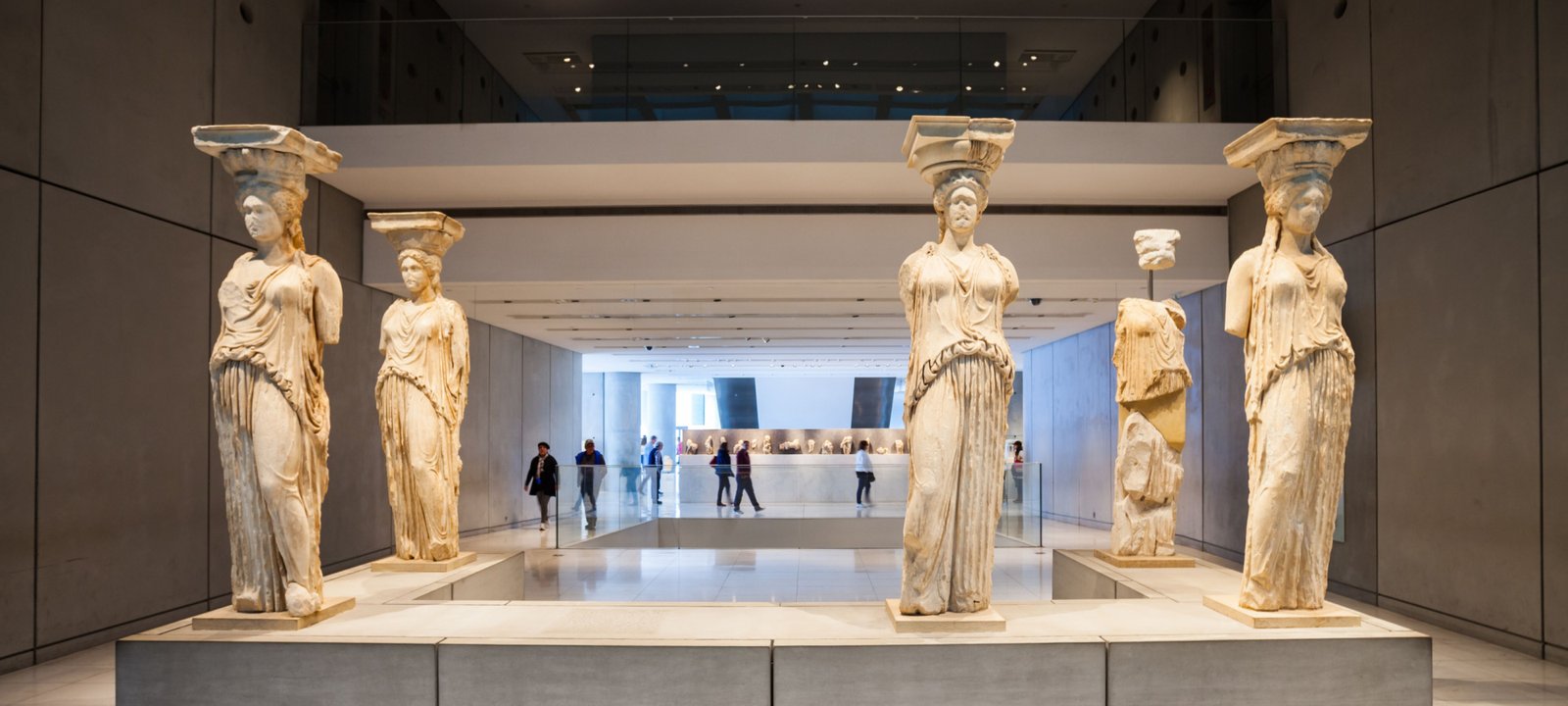
The Acropolis Museum is a world-class museum located at the foot of the Acropolis, dedicated to preserving and showcasing the treasures of ancient Athens. Opened in 2009, the museum features a stunning glass floor, allowing visitors to see the excavated ruins beneath. Inside, it houses over 4,000 artifacts, including statues, pottery, and friezes from the Parthenon, Erechtheion, and Temple of Athena Nike. One of its highlights is the Caryatids, the original female statues that once supported the porch of the Erechtheion. The museum’s top floor offers a panoramic view of the Acropolis, creating a seamless connection between the exhibits and their original site.

National Archaeological Museum

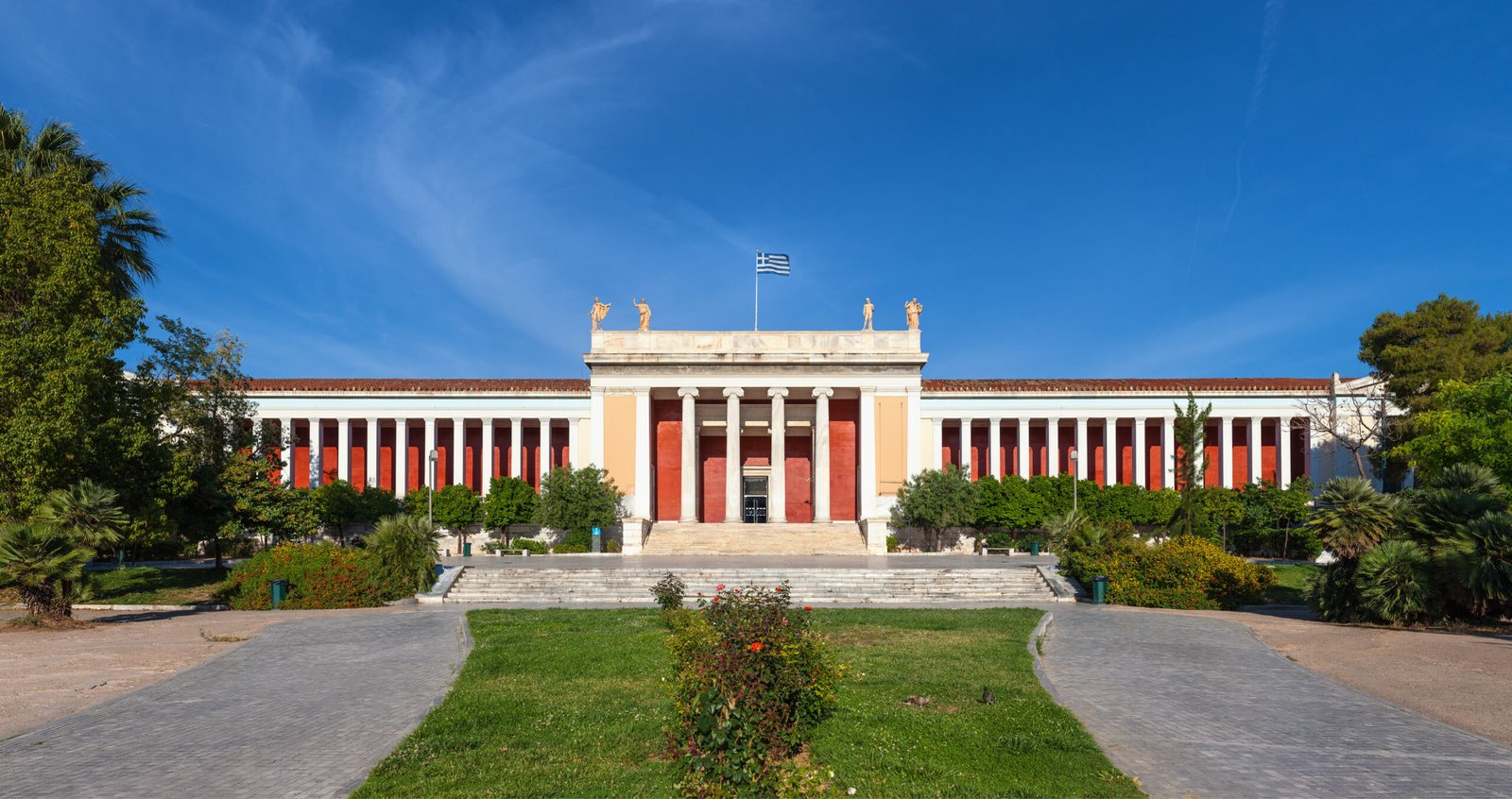
The National Archaeological Museum is the largest and most important museum in Greece, housing a vast collection of artifacts from prehistoric times to late antiquity. Established in 1866, it contains exhibits from across Greece, including treasures from Mycenae, Santorini, Crete, and classical Athens. Highlights include the Mask of Agamemnon, a golden funerary mask from the Mycenaean civilization, the Antikythera Mechanism, an ancient analog computer, and the bronze statue of Zeus or Poseidon. With its diverse collection of sculptures, pottery, jewelry, and frescoes, the museum is a must-visit for history lovers.
Syntagma Square & The Changing of the Guard

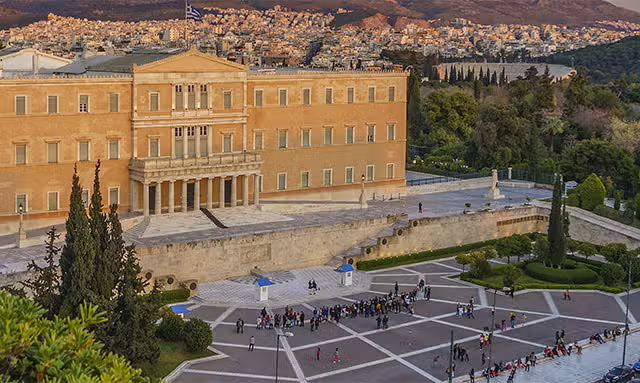
Syntagma Square is the political and social heart of Athens, home to the Hellenic Parliament and the Tomb of the Unknown Soldier. Every hour, the Evzones, the elite guards of the Greek military, perform the changing of the guard ceremony in front of the parliament building. Dressed in traditional uniforms featuring a fustanella (pleated skirt), pom-pom shoes, and red berets, the guards perform a slow, synchronized march that is both ceremonial and symbolic. The square itself is a vibrant area surrounded by luxury hotels, cafés, and government buildings, and it serves as the starting point for exploring the city’s main shopping street, Ermou Street.

Anafiotika

A hidden gem beneath the Acropolis, Anafiotika is a small, picturesque neighborhood that feels like a slice of the Greek islands in the middle of Athens. Built by workers from Anafi Island in the 19th century, this area features white-washed houses, narrow winding alleys, and colorful doors, resembling a Cycladic village. It offers a peaceful retreat from the bustling streets of Plaka, with stunning views of the city and the Acropolis. Anafiotika is perfect for those who love exploring charming backstreets, taking photos, and discovering hidden corners of Athens.

Zappeion Hall & National Garden

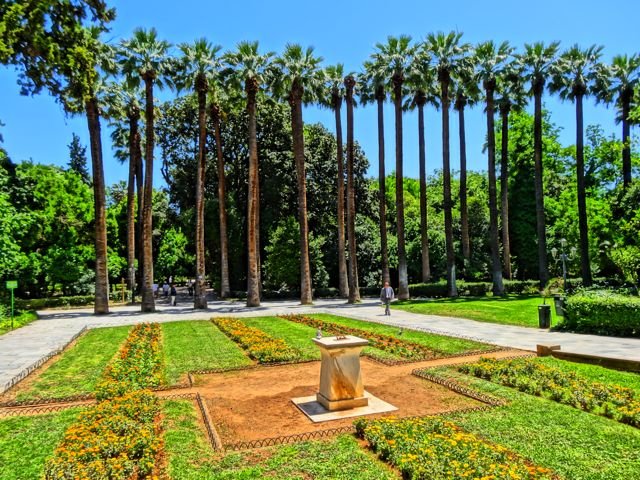
The Zappeion Hall is a grand neoclassical building located in the National Garden of Athens, just a short walk from Syntagma Square. Built in 1878, it was one of the first buildings constructed specifically for the modern Olympic Games and has since been used for exhibitions, conferences, and official events. Its impressive colonnade and central atrium make it a striking landmark. Surrounding Zappeion, the National Garden is a peaceful oasis with shaded pathways, ancient ruins, statues, and even a small zoo. It’s the perfect place to take a break from the city’s hustle and bustle.

Benaki Museum

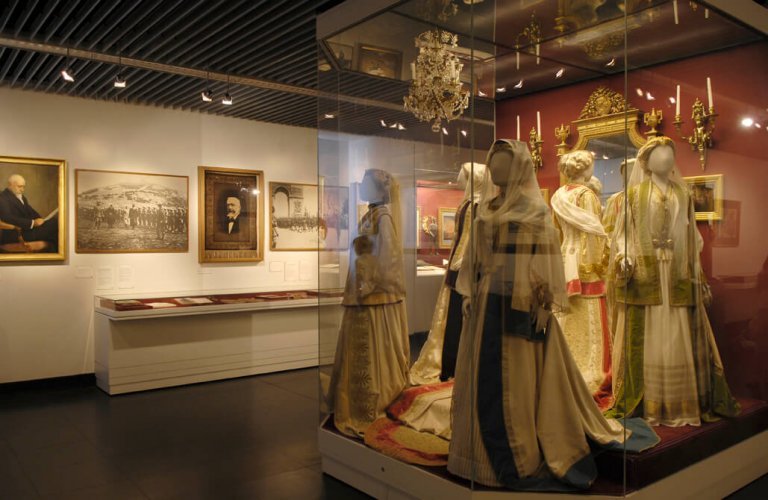
The Benaki Museum is one of Greece’s most important private museums, offering a comprehensive overview of Greek history and culture from prehistoric times to the modern era. Housed in a neoclassical mansion, the museum’s exhibits include Byzantine icons, ancient Greek pottery, traditional Greek costumes, and historical documents. The museum also showcases influences from the Ottoman and Venetian periods, providing a rich and diverse perspective on Greek heritage. Unlike the larger National Archaeological Museum, the Benaki Museum presents a more intimate and well-curated experience, making it a favorite among history enthusiasts.

Gazi – Technopolis

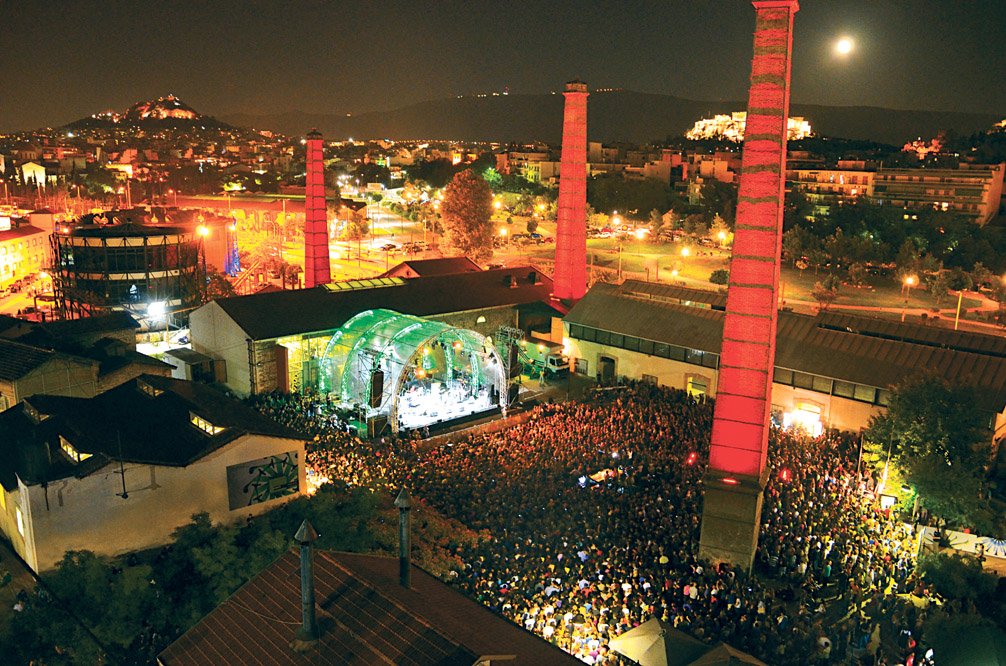
Gazi is one of the most vibrant and trendy neighborhoods in Athens, known for its industrial-chic atmosphere, street art, and nightlife scene. At the heart of Gazi is Technopolis, a former gasworks factory turned cultural center, hosting art exhibitions, concerts, festivals, and open-air events. The area is filled with bars, nightclubs, and restaurants, making it a hotspot for nightlife. It is also home to the Kerameikos archaeological site, where visitors can explore the remains of ancient Athens’ largest cemetery. Gazi is perfect for those looking to experience Athens’ modern arts, music, and nightlife scene.